Growing Together: The Journey of Followers and Authentic Connections
The 183-Second Lie
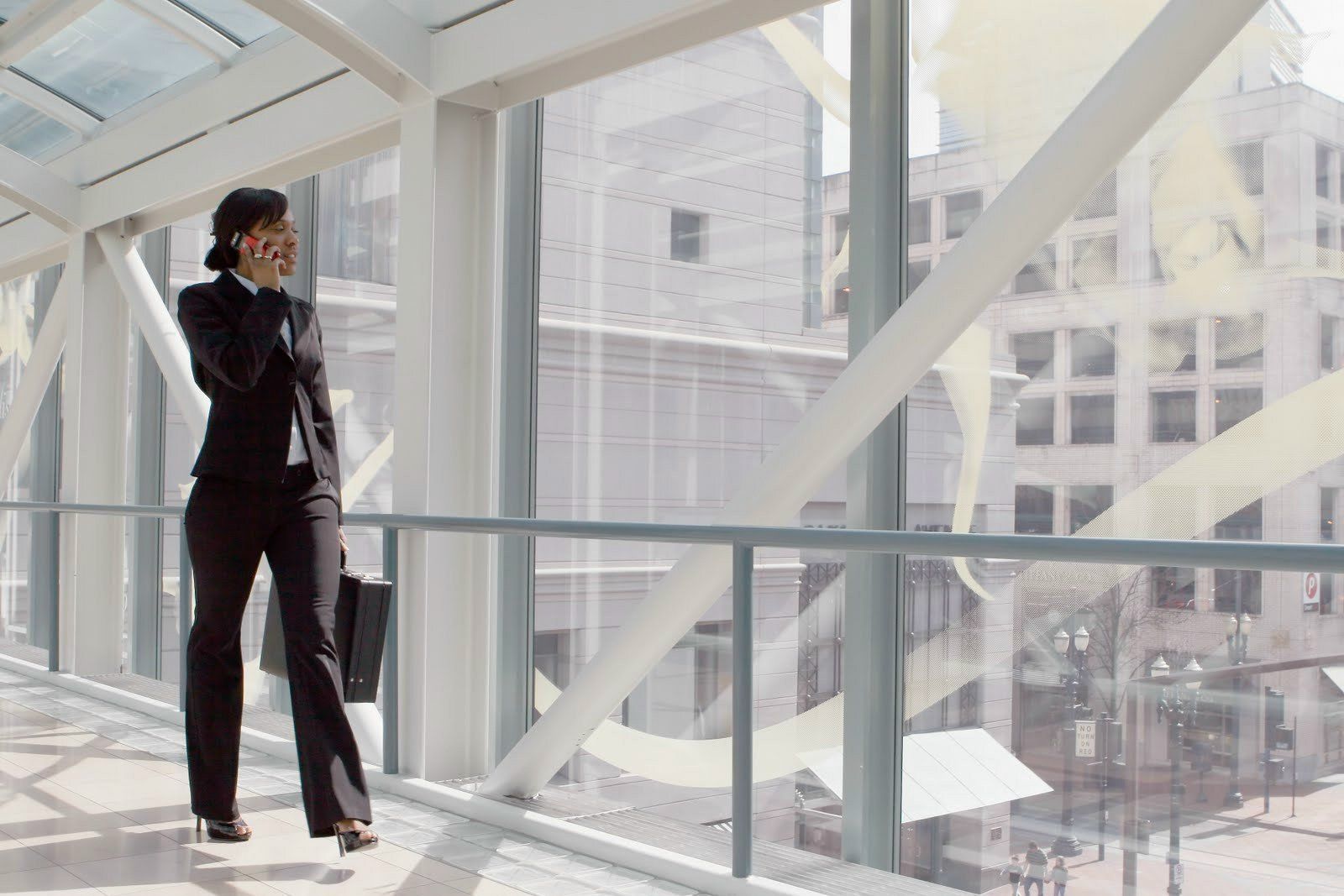
The cursor blinks 63 times per minute, a rhythmic taunt against Maya’s temple as she stares at the dashboard. It is currently glowing a soft, deceptive amber at 173 seconds. If she hits 183, the amber turns to a pulsing, violent red that alerts a supervisor three floors up who does not know her name but knows her employee ID ends in 43. Mr. Henderson is still talking on the other end of the line, his voice a crackling 23-kilohertz stream of frustration about a router that has died for the third time this month. Maya knows the fix. It is not the reset button. It is a deep-seated firmware conflict that would take exactly 13 minutes to navigate with him. But if she spends those 13 minutes, her daily average will collapse. Her bonus, which she needs for the 433-dollar rent increase she just received, will vanish.
She waits for a breath. She finds a 3-second gap in his tirade and interjects with the company-approved script. “I have sent a refresh signal, Mr. Henderson. It should be working in 63 seconds.” She knows it is a lie. The signal is a placebo, a digital aspirin for a broken leg. But it closes the ticket. It keeps her in the green. She hits “Resolve” at 183 seconds exactly. A perfect, hollow victory.
The Groundskeeper and the Conversation
I spent 53 hours last week reading the terms and conditions of every software I use. It is a madness, I know. 233 pages of legalese designed to measure liability to the nth degree. We are living in a world defined by 13-year-olds in Silicon Valley who think that if you cannot put a number on it, it does not exist.
The earth treats it like a conversation. You cannot rush the conversation with the dirt.
🌱
Sage is 73 years old and spends his days as a groundskeeper at the city’s oldest cemetery. He does not have a dashboard. He has a shovel and a pair of shears that have been sharpened 133 times. Sage measures his success by the 433 headstones he tends to. He cares about the way the soil settles after a heavy rain, something he measures in 3-inch increments with a wooden dowel.
Performance
Crying for views (43 Likes)
Grief
Feeling the presence of memory
Sage’s observation is the core of our modern sickness. We are performing for the metric. When a teacher is judged by test scores, they stop teaching the subject and start teaching the test. We are optimizing for the proxy, and in doing so, we are destroying the reality the proxy was supposed to represent.
Gaming the Soul
I have made this mistake myself. I once tried to measure my own happiness on a scale of 3 to 13 every morning. By the 23rd day, I realized I was not actually happy; I was just trying to make the line on the graph go up. I was gaming my own soul. I was drinking an extra cup of coffee not because I wanted it, but because I knew it would bump my “alertness” score by 3 points.
Happiness Metric Trend (Self-Gaming)
Upward Trend (False)
*The metric moved up, but the reality did not.*
We see this same superficiality in the physical world around us. A desk that costs 123 dollars is measured as a “win” for the consumer’s wallet in the short term. But if that desk warps in 3 months… the metric was a lie. We are cluttering our lives with things that have no history and no future.
In my search for an environment that actually respects the human who has to sit in it, I found that
FindOfficeFurniture stands as a rare counter-argument to our disposable culture. They are not interested in the metric of “how many cheap chairs can we sell before the warranty expires in 43 days.” They are looking at the ergonomics of a lifetime.
The Cost of Averages
Every startup wants to go from 3 users to 3 million in 13 months. But what is the cost of that scale? Usually, it is the very thing that made the product worth using in the first place. You cannot scale the care Sage P. puts into leveling a headstone by 3 millimeters. When you scale, you average. And when you average, you lose the outliers. The problem is, the outliers are where the magic lives.
The 1203 lines of code Maya’s company uses to track her performance are a marvel of engineering. They can tell you exactly when she takes a 13-minute break. But they cannot tell you that she saved Mr. Henderson’s day. They measure the friction, but they never measure the warmth.
I was drinking an extra cup of coffee not because I wanted it, but because I knew it would bump my “alertness” score by 3 points. It was a digital mask I wore for an audience of one.
Clause 143, I believe, essentially said the company is not responsible for any emotional distress caused by the use of the service. We have built a world that is legally sound but emotionally bankrupt.
Response Rate
He did what was needed.
Finding the Third Path
It feels like we are standing at a 3-way intersection. One path leads to more measurement… One path leads to a total abandonment of order. And the third path-the one Sage P. walks-leads back to the human scale. It is the path where we buy things that last, where we solve problems instead of closing tickets, and where we realize that the most important things in life are the ones that can never be counted, only felt.
Buy things that last 33 years, not 3 months.
Measure 43 minutes staring at clouds.
Measure kindness, not friction.
We are the silence between the numbers. We are more than the sum of our 43 data points. And if we do not start defending that silence, the noise of the 63-bit processors will be the only thing left of us. Our value is not found in the frequency of our output, but in the depth of our resonance.
Off the Scale
Maya eventually quit. She did not give a 2-week notice; she gave 3 days. She is now working at a small nursery, 43 miles away from the city. She spends her time tending to 133 varieties of ferns. There are no timers. There are no dashboards. There is only the soil, the water, and the 63-year-old owner who tells her that a plant will grow when it is ready, and not a 3-second increment sooner. She makes less money, but her soul has stopped being red.
183s
Metric Sprint
Years
Root Depth
The next time someone tries to measure you, remember the cemetery. Remember that the best things in life-the real, heavy, meaningful things-do not fit in a 13-inch screen. They require the whole world.